Laos: Young Christian killed

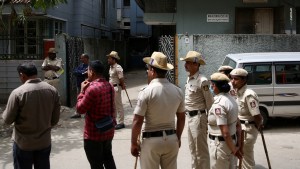
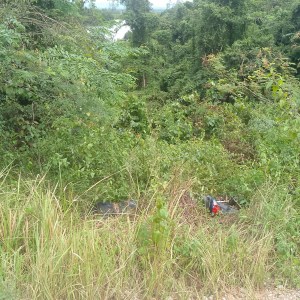
It is with a heavy heart that we share the death of Koun, a Lao Christian who went missing earlier in October this year under suspicious circumstances in Khammouane province. After a four-day search, local Christians found Koun’s body and motorcycle in a ditch off a jungle road. Police have dismissed the case as a motorcycle accident, but Christians say Koun’s death is part of the crackdown against the rapidly growing Christian church.

Koun, 26, had recently decided to follow Jesus and was baptized in April. He is the third Christian to be killed in the past three years. In October 2022, Pastor See was found dead near a forest in the same province after two men visited his house. Village authorities had previously warned him to stop his religious activities. In July 2024, Thongkham Philavanh, a Khmu pastor, was shot dead by two masked men in Oudomxay province. Thongkham’s wife, Sengdala, believes her husband was silenced for his faith and ministry.

Local church leaders in Laos had asked for prayers for Koun after he went missing. According to his father, two strangers had escorted the young man from his home. The late Pastor See had discipled and trained KK, Koun’s elder brother, and started a church in his house. Church leaders said KK is a faithful house church leader who led his entire family and others to Christ in a mainly animistic village. The family now believe that the killers had wanted to target KK, and instead kidnapped and killed his brother.

Christians in rural areas of Laos are viewed with suspicion and are often arbitrarily detained and harassed. Some are expelled from their villages and have their property confiscated for refusing to renounce their faith. Many Christians have indeed recanted their faith and denied Jesus under pressure from the government. Local officials often turn a blind eye to abuse of Christians, with government officials denying that Christians suffer any discrimination or violence.

Many local leaders say they are being watched and are living in fear for their lives. Koun’s death has shaken the Christian community. The senseless death of the young man is a reminder of the deep pain and risk that our brothers and sisters in Laos face every day.

KK and his wife are asking for prayer as they consider moving to the capital, Vientiane, for the safety of their family and that of other believers in their rural village.


Prayer

Father,  we pray for your comfort, peace, and strength for Koun’s family as they grieve their tragic loss. We pray against the evil schemes of the enemy and bind them in the name of Jesus. Please protect your people and let your angels guard and keep them from all danger. We pray for the Christian community in Laos, especially pastors and church workers who are anxious and living in fear. We also pray for the safety of KK and his family and all the believers in the area. In Jesus’ name. Amen.

INDIA: House churches banned in Chhattisgarh

“Blessed is the one who endures trials, because when he has stood the test he will receive the crown of life that God has promised to those who love him.” (James 1:12 CSB)

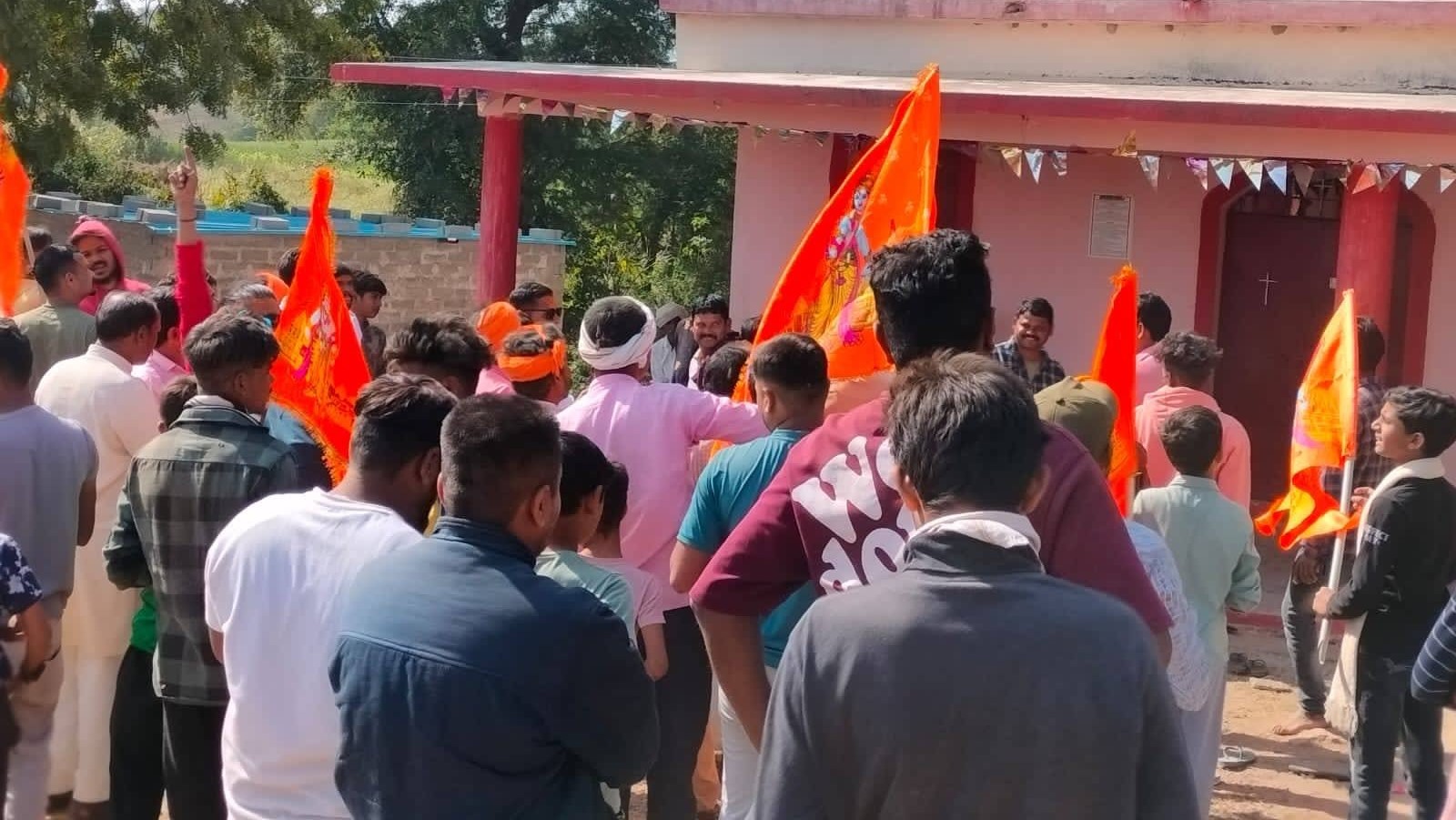
House church meetings in Chhattisgarh state, central India, have recently been banned. In the state capital, Raipur, without providing legal justification or documents, police have been telling house churches that they need to get special permission from the district administration in order to hold prayer services.

These actions are in defiance of Article 25 of the Indian Constitution, according to which “all persons are equally entitled to freedom of conscience and the right freely to profess, practice and propagate religion”.

More than 200 house churches in Chhattisgarh have been affected. Many churches in Raipur have shut down, mostly due to fear of attacks by Hindutva outfits like Bajrang Dal and Vishwa Hindu Parishad.

The house churches are mainly run by pastors belonging to Pentecostal denominations and are small congregations gathering inside homes and not in formal church buildings. As per a Madras High Court ruling in June 2025, a private home in India can generally be used as a prayer hall if formal permission is obtained from local authorities.

In recent years, extremist groups have staged systematic attacks against Christians in Chhattisgarh. In April, 300 people had gathered for a prayer meeting in Bilaspur town when a mob led by a vigilante group protested outside the venue, threw stones, and accused them of carrying out religious conversions. At least 10 Christians were injured. There have been at least eight similar incidents in the past few months. According to local leaders, the police often act on behalf of these groups.

Christians comprise less than 2 percent of Chhattisgarh’s some 30 million people and are denied rights to land and burial grounds. Many cannot live in their respective villages unless they renounce their “foreign faith”. They also face violence and prolonged legal challenges under anti-conversion laws. A climate of fear has resulted in self-censorship among many Christian communities.

Extremist groups often falsely accuse pastors of luring people into churches by offering cash payments, free medical assistance, and foreign trips, funded by foreign donors. However, these allegations are not supported by evidence and are strongly rejected by Christian leaders.

In April, six Christian families were evicted from their homes after refusing to renounce their faith. In June, a mob attacked Christian families and pressured them to convert to Hinduism. In July, six men in Bhilai town were detained and severely beaten with wooden batons at a local jail for identifying themselves as pastors. Also in July, two nuns were arrested along with an Indigenous (Adivasi) youth at Durg Junction railway station and accused of human trafficking and forced conversion, prompting widespread protests.

The Indian Constitution does not have an anti-conversion law, but at least 12 states including Chhattisgarh have implemented their own versions since the Bharatiya Janata Party came to power in 2014.

The Religious Liberty Commission of the Evangelical Fellowship of India has documented 334 incidents targeting Christian communities across India between January and July 2025, of which 86 took place in Chhattisgarh. This is second only to Uttar Pradesh state. According to the ecumenical United Christian Forum, 165 anti-Christian incidents were recorded in Chhattisgarh last year, also the second-highest in the country.


HOME GROUP PRAYER

Dear Lord,

We pray that you will strengthen and protect your faithful children in India, especially in the state of Chhattisgarh where the house churches are facing intensified pressure and persecution. We pray for justice in these communities and that your Spirit will soften the hearts of local authorities and move them to always act fairly and in accordance with the law.

Pour out your Spirit of righteousness and love in these lands, so that your greatness and goodness may be made known to all.

We ask this in Jesus’ name.  Amen.

Nepal: Urgent prayers needed

Nepal is a landlocked Himalayan country, bordered by India and China. Its economy relies heavily on foreign aid and tourism. In 2008, its first Constituent Assembly abolished the 240-year-old monarchy and declared Nepal a federal democratic republic. While rooted in their ancient traditions and religions, the Nepali continue to search for hope and enlightenment. They have one of South Asia’s highest per capita usage of social media.

A recent ban on social media brought young people to the streets, but they also came with pent-up grievances over social inequality. At least 34 people were killed in clashes  and more than 1300 have been injured across Nepal between the police and protesters.

The root cause of the “Gen Z protests” was the public’s frustration with the perceived corruption of government officials and their families, their displays of wealth, as well as allegations of mismanagement of public funds. Demonstrators set fire to the parliament building, and government buildings and houses of political leaders were attacked and vandalized around the country.

For the past 10 years, Nepal has been ruled by the same three elderly leaders prime ministers on a rotating basis. Between them, they have led the country on 12 separate occasions. Prime Minister K. P. Sharma Oli and several other ministers have since resigned. The wife of former Prime Minister Jhala Nath Khanal is in critical condition after getting trapped in their burning home. The military has now taken control. Tribhuvan International Airport in the capital, Kathmandu, has just reopened.

Church leaders are distraught and traumatised by the events. One church leader we spoke to broke down and cried: “I have no words to express the sadness in my heart.” He pleaded with us to stand in the gap and pray for the country during this difficult time. It appears that all church activities and Christian institutions are temporarily closed. There are also reports that several Christian communities and churches were threatened during the political protests and violence.

Most people in Nepal see Christianity as a Western religion that undermines traditional culture and society, and appeals only to lower castes. Converts from Hinduism and Buddhism face increasing pressure from their families and community, and are viewed as deviating from the faith of the ancestors. The state media and government officials see growth in conversions to Christianity as dangerous and think the Christian faith will destroy Nepalese culture.

The church has grown rapidly since 1951, when missionaries were allowed into the country, and congregations have been spreading all over the country. A main reason for growing numbers has been prayer for the sick and the resulting healings. However, the government introduced a strict anti-conversion law in 2018; Christians now navigate a fine line to speak of Christ. As a result, local and foreign Christians have had to limit their evangelistic activities.

Home Group Prayer

Father God:

We lift up our dear brothers and sisters in Nepal as the country goes through this tremendous upheaval. May you grant them peace, strength, and courage, so that their faith would remain strong and not buckle under pressure. May they continue to place their hope in the Lord. May there be unity in and among the Nepali churches as they face this crisis together. May they ground themselves in the living hope of Christ.

May there be a complete end to the violence, and may a just and upright government to be set in place. May the nation’s leaders demonstrate wisdom and humility, and let justice, unity, and hope prevail. May tensions quickly ease and the everyday life of citizens be restored safely and peacefully. May there be comfort and healing for the families who have lost their loved ones.

May your angels surround your people, and protect them from all harm and danger, and from fear and uncertainty. May you grant wisdom and guidance to them as they continue faithfully to serve you and minister to the community. May there be peace and protection over all the people.

In the name of Jesus we pray. Amen.

Iranian Christian Laleh Saati released from Evin Prison

“But thanks be to God, who gives us the victory through our Lord Jesus Christ.”

(1 Corinthians 15:57 ESV)

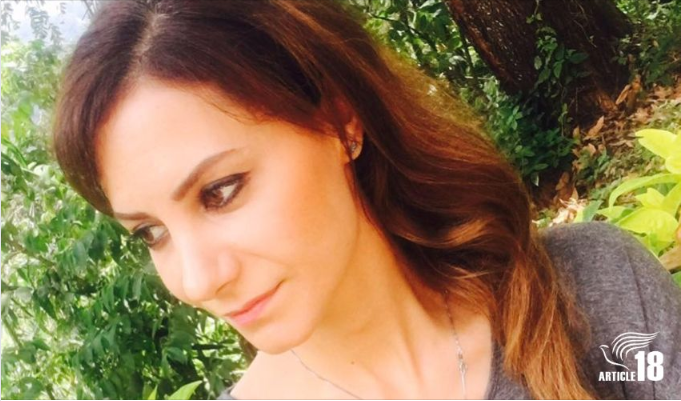
Iranian Christian convert Laleh Saati was released on 31 May on the condition that she cannot travel for two years and that she must not speak to the media or any contacts abroad.

In February 2024, Laleh was arrested at her father’s home in Ekbatan Town, a Tehran suburb, and taken to Ward 209 of Evin Prison. The prison is divided into wards, with this ward under the jurisdiction of the Ministry of Intelligence. Laleh was interrogated there for three weeks.

A month later, Laleh was brought for trial at Branch 26 of Tehran’s Revolutionary Court before Iman Afshari, a judge known for his ruthlessness against those imprisoned because of politics and human rights activism, as well as those who are ethnic or religious minorities. He found Laleh guilty of “acting against national security through connections with ‘Zionist Christian’ organisations”.

Laleh had sought asylum in Malaysia and while there, she renounced Islam and was baptized as a Christian. She eventually decided to return to Iran in 2017 to take care of her elderly parents, frustrated with the delays and lengthy processing time of her asylum case.

It was seven years after returning to Iran that Laleh was arrested and charged. Government prosecutors used photos and videos of her baptism and Christian activities in Malaysia as proof of her alleged crime.

In May 2024, Laleh’s mother visited her in prison and reported that her daughter was struggling with her mental health. As a result, Laleh was interrogated again and threatened with new court proceedings. Her mother was also interrogated and warned that a case might be opened against her because Laleh’s case had been publicised to foreign media.

When Laleh had served one-third of her sentence and became eligible for parole, it was denied, reportedly because she refused to make a forced confession.

In April 2025, Laleh injured two fingers on her left hand after falling in the prison yard, but she was denied access to specialised medical care. As her condition deteriorated, her mother continued to appeal for her to be transferred to a medical facility, but her requests were rejected until May, when she was released after serving 15 months of her sentence. She has been traumatized by her experiences and remains in a “psychologically unstable state”.

The Iranian government views Christian converts as threats and actively works to suppress their activities. House churches are often raided, and believers are frequently arrested, interrogated, and given long prison sentences on charges like “acting against national security”. The Iranian authorities also monitor the activities of asylum seekers in foreign countries and obtain information to use against them. Laleh’s case demonstrates that Christian activities carried out by asylum seekers abroad can be used as evidence against them in legal proceedings upon their return to Iran.

Despite the risks, Iranian Christians are courageously sharing the gospel and many are coming to Christ.

Home Group Prayer

Dear Lord,

We pray that you will strengthen, restore and heal Laleh Saati after the trauma of the prison experience she has endured. Keep her strong in her faith and safe from further persecution.

Please also strengthen Laleh’s aging parents, that they too might sense your comforting presence and come to be in relationship with you.

We pray for the safety of secret churches, the courage of believers, the well-being of imprisoned Christians and their families, and the spread of the gospel in Iran. 

At this time of international conflict, we also pray that you will protect all your followers in Iran from any harm.

We ask all this in Jesus’ name. Amen.

Sri Lanka: Heroes of Faith

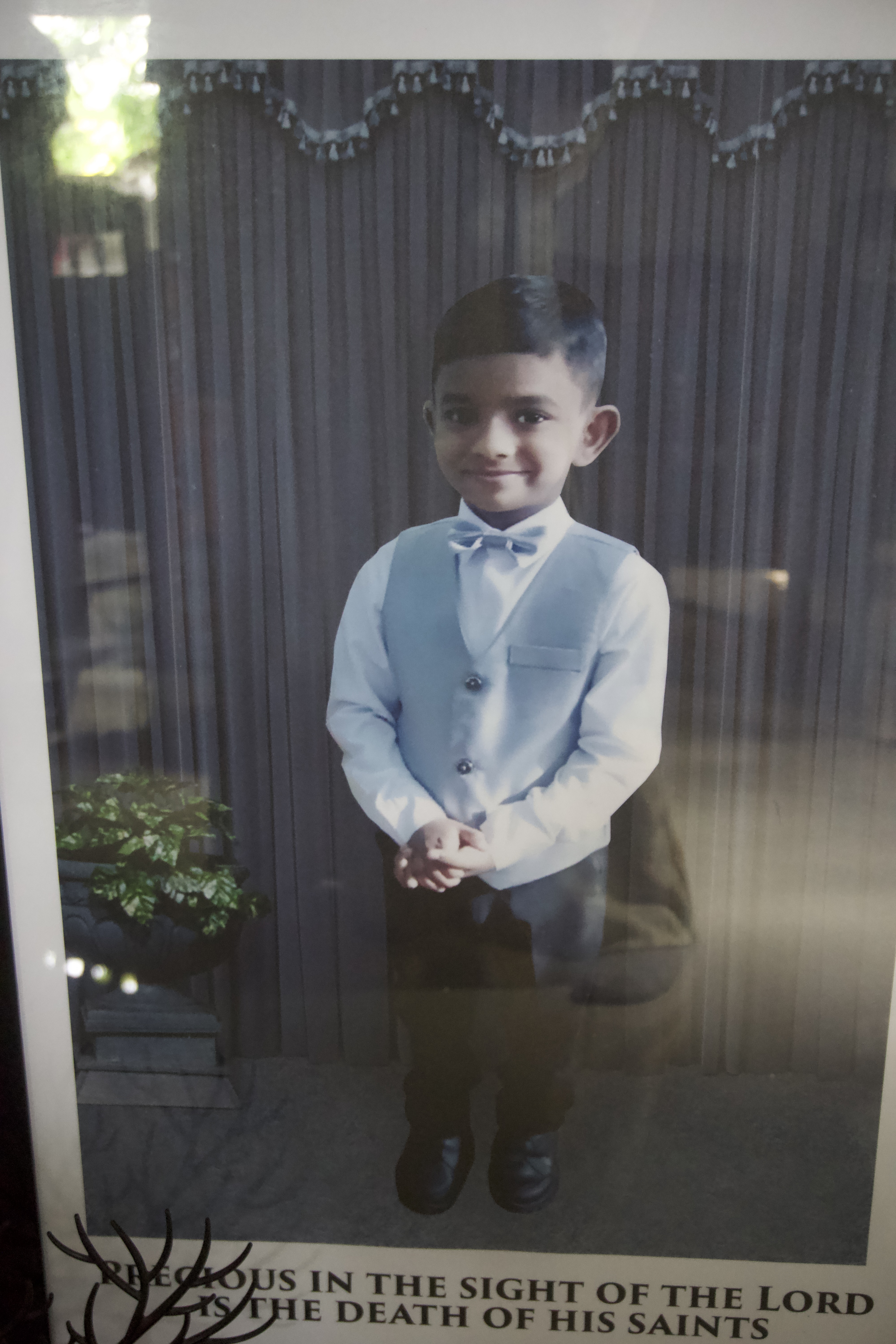
“Precious in the sight of the Lord is the death of his saints.”

(Psalm 116:15 ESV)

For many Sri Lankan Christians, Easter is a day of mourning and remembrance—a day to honour those who were targeted and killed for their faith 21 April 2019. ISIS-related suicide bombers had targeted three churches and three five-star hotels, killing at least 270 and injuring 500. One victim died from her injuries in 2024. Most of the victims were Sri Lankan and at least 45 were foreign nationals.

This year, radio and television channels across the country muted their broadcasts for two minutes as a mark of respect. Armed police and military personnel were on high alert as churches across the country observed the anniversary of the Easter bombings. Just days before Easter, a gunman opened fire at a church near the capital, Colombo. No one was injured, but police said windows of the church were damaged. A suspect was arrested.

There were several memorial programmes for the victims. In Colombo, hundreds of their relatives marched from St. Lucia’s Cathedral to St. Anthony’s Shrine, one of the churches attacked. The Archbishop of Colombo, Cardinal Malcolm Ranjith, said the Roman Catholic Church had formally recognised 167 church members killed in the bombings as “heroes of faith”, a designation given to individuals who died for their religious faith.

Earlier in March, Sri Lanka deported two Indian pastors for allegedly violating visa regulations by engaging in preaching activities. Pastor Edwin Glory Thomas and Pastor Johnson were arrested when officials raided the Christ Evangelical Church in Matakal West, Jaffna district during their seventh anniversary celebrations. The pastors were questioned and subsequently deported. Their arrest followed a complaint lodged by a local group, which claimed that the two had breached their tourist visa conditions by conducting religious work. They should have obtained official clearance with a religious visa. In another incident in March, police raided a church in Nuwara Eliya and ordered two foreign pastors without religious visas, one Indian and one Malaysian, to leave the country with immediate effect.

Home Group Prayer

Dear Lord,

We thank you for the beautiful country of Sri Lanka. We remember the people there at the time of remembrance of the sad and terrible event that took place six years ago. We think of those who were killed for your name, and also those who are being arrested and persecuted for speaking your Word. As the country continues to recover from political and social turmoil, we ask that your presence be strongly manifested there, and that your name will continue to be lifted up.

We think of the families that lost loved ones, including little children, in the Easter bombings and other attacks, and lift them up to you. May your comfort be ever present in their lives. We especially lift up the survivors, including Elaisha Debbie, the little girl who lost her eyesight, her parents, and one brother. Please continue to give them strength and hope. Pour your spirit upon the church in Sri Lanka and bring revival there. May all levels of society experience a deep change—from the government to the lowly worker, from the common man to the women and children, let praise ring out. May the church be empowered to continue the good work you have begun in them.

We commit Sri Lanka into your hands in Jesus’ name.

Amen.

Strict anti-conversion laws introduced in Rajasthan, India

“Whoever sows injustice will reap calamity, and the rod of his fury will fail.” (Prov 22:8)

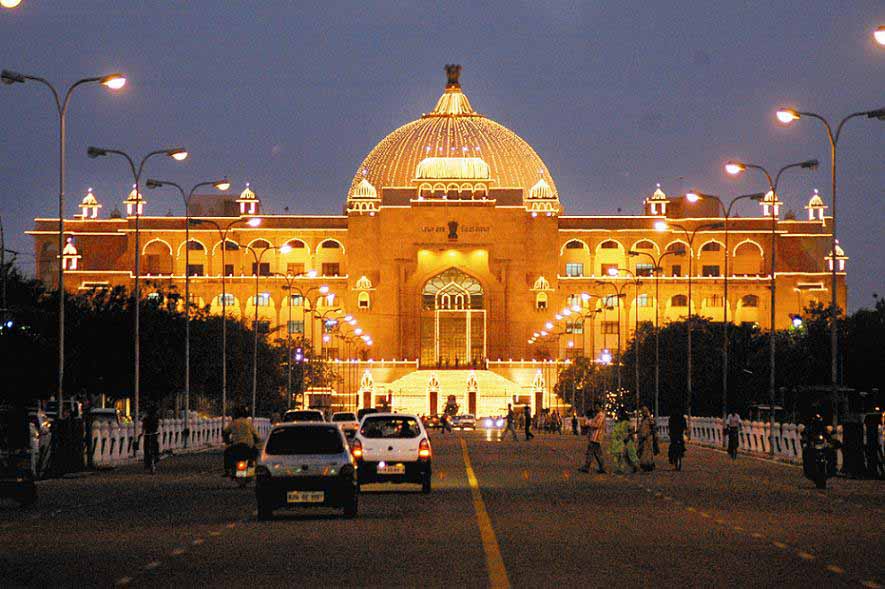
On 3 February, the Prohibition of Unlawful Conversion of Religion Bill was tabled by the Bharatiya Janata Party (BJP) government in the Rajasthan State Assembly to stop religious conversions allegedly made “by fraud, force, or inducement”. The Bill was passed during the Budget session and the law has since been enacted.

Opponents of the Bill argue that it violates the rights to personal liberty and autonomy, to freedom of speech and expression, and to privacy and freedom of faith.

India is a secular nation, and its Constitution protects the right of each Indian citizen to freely practice and spread their faith peacefully. The Indian Constitution also states that changing one’s religion due to personal conviction, marriage, or divorce is acceptable so long as the decision is made voluntarily and without the use of pressure or force.

The Bill will make it far more difficult for an individual to convert to another religion by requiring an extended bureaucratic process to do so and imposing harsh penalties on those seen to be in violation of any of the statutes of the new law.

According to the Bill, those who want to convert to another religion will have to first give two months’ advanced notice to the District Magistrate. Then, a notice of 30 days for any ceremony for the conversion must be made by the “converter” who is performing the ceremony, followed by an affidavit by the converted person to the District Magistrate within 60 days.

Penalties for those found to be involved in unlawful conversion include up to three years in jail with a minimum fine of 10,000 rupees (USD 115) for the converted and five years in jail with a minimum fine of 25,000 rupees (USD 287) for the converter. According to Forbes, the average monthly salary in Rajasthan is 19,740 rupees (USD 227).

Criticism of the law relates to it appearing to reverse the principle of the assumption of innocence by placing the burden of proof — that a religious conversion was not affected through misrepresentation, force, undue influence, coercion, allurement or by any fraudulent means or marriage — on the person who has “caused” the conversion.

The offences covered by this Bill are classified as cognizable and non-bailable, and triable by a court. This means that the accused may be arrested without a warrant and that obtaining bail may be difficult.

Rajasthan now joins 11 other states in India — Odisha, Arunachal Pradesh, Gujarat, Chhattisgarh, Karnataka, Jharkhand, Haryana, Uttarakhand, Himachal Pradesh, Uttar Pradesh, and Madhya Pradesh — in having an anti-conversion law.

These state governments have used the criminal code to stop church services and prayers at the sickbed of a Christian. Misuse of the anti-conversion laws against innocent citizens has led to 1,000 or more people, including women and children, spending time in jails. Many of those who have been arrested are pastors, and others from several groups who are first-generation converts to Christianity, often tribal or marginalised people.

In 2024, more than 400 senior Christian leaders and 30 church groups submitted an urgent appeal to the President and Prime Minister of India to curb the activities of violent mobs that have targeted Christian gatherings across the country. At least 14 incidents targeting Christians were reported during the Christmas season, ranging from threats and disruptions to arrests and outright attacks. The appeal also pointed to the misuse of anti-conversion laws leading to the arrest and harassment of over 110 clergy members.

According to Christian groups such as the Evangelical Fellowship, United Christian Forum, and Persecution Relief 834 incidents against Christians have documented in India last year. The actual number may be several times higher, as police refuse to register complaints and victims are scared to even approach the authorities.


HOME GROUP PRAYER

Dear Lord,

We pray for justice in India and a reversal of the laws that so negatively impact our Christian brothers and sisters living there. We pray that those in authority will not abuse their power or use these laws to unfairly prosecute those who seek to know you and live their lives in you.

And we pray that you will grant protection for pastors and ministers and all those who are spreading the gospel in India, that they may be able to continue their good work and bring more people to faith, without being treated unjustly.

We ask all this in the name of our Lord and Saviour, Jesus Christ.

Amen.

Afghanistan: A light shines in the darkness


“WEEPING MAY ENDURE FOR THE NIGHT, BUT JOY COMES IN THE MORNING.”

(PSALM 30:5 NKJV)


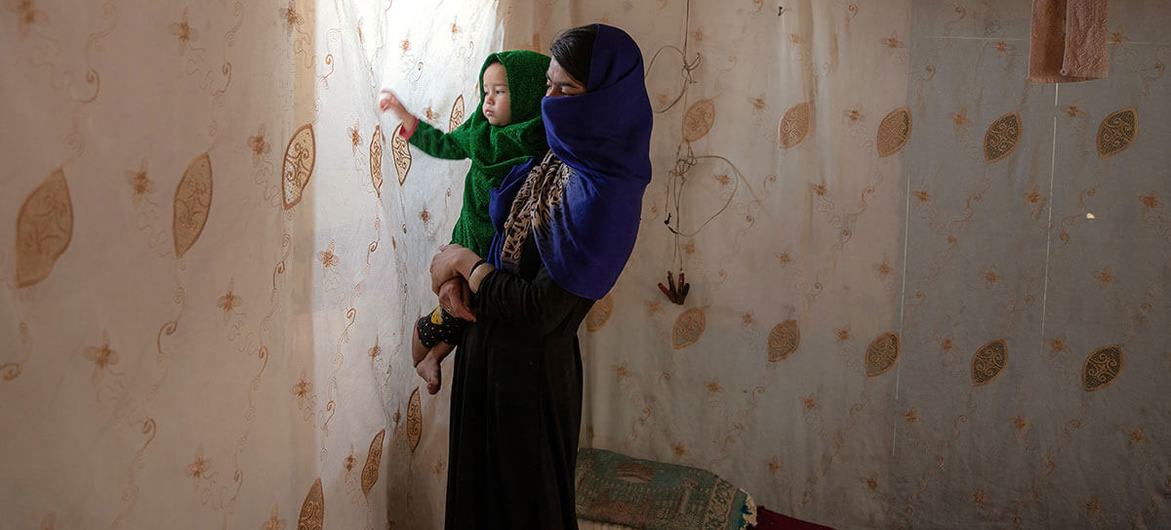
Three years after the Taliban took over the country, the economy is collapsing, international assistance has virtually dried up, and there is growing dissatisfaction among the people. The Taliban continue to persecute Christians and are singling out women and girls. In August, they issued a strict public morality law completely prohibiting women from speaking, singing or praying aloud in public. The law is an attempt to literally silence women and erase them from view.

Women have also been ordered to cover every part of their body and face and be escorted by a man in public. Dozens of women have been arrested in the streets of Kabul and taken to unknown locations. To be a Christian woman in Afghanistan would almost certainly incur the death penalty. Afghanistan is now the only country in the world to ban girls from both secondary school and university.

The Taliban set about enforcing a strict interpretation of Sharia law after seizing power in 2021. They banned conversion from Islam to Christianity and began hunting down anyone suspected of being a Christian. Christians who converted from Islam were reportedly arrested, tortured, and even executed. Christians left the country, while others went into hiding. There were fears that there were no believers left in the country.

But today, in the midst of this grim situation, there is hope. Many Afghans who fled to neighbouring countries are being repatriated and returning with a new-found faith in Christ. These new believers are forming tiny communities across the country and are meeting in secret. They are starting from scratch, much like the early church did in the first century, strengthening their faith in the face of severe persecution and suffering.

At the same time, the Taliban have been working to erase Christianity from the country and are using advanced surveillance technology to monitor communications. Despite the risks, the new Christian communities are finding ways to worship, share the gospel, and support one another in the hostile environment.

Muslims account for 99 percent of the population of Afghanistan, with the vast majority practising Sunni Islam. There are no public Christian churches. According to Open Doors, Afghanistan is ranked as the world’s 10th worst persecutor of Christians.

This Advent and Christmas, Afghanistan’s Christians remind us that even in the most oppressive circumstances, the light of Christ cannot be extinguished. Their journey is perilous, but their faith is strong. And it is in Christ that we find hope — not just for the future of the church in Afghanistan, but for all of us who believe in the power of the gospel to transform lives, even in the darkest of times.

Let us stand with our brothers and sisters in Afghanistan and pray for them.


Home Group Prayer

Dear God, our Father,

We lift up our brothers and sisters in Afghanistan. We especially lift up our sisters who live there in fear and anxiety about their safety and that of their families. In the midst of all the trials and oppression, we thank you for the amazing evidence of your presence there.

We pray for the government in Afghanistan, and ask that your light may shine there too. Please open their eyes to the plight of their people and fill them with compassion for them. We ask that they too would know the grace and freedom that come from you.

Thank you for the amazing ways in which you manifest your presence there. Please continue to visit people in dreams and visions, and reveal yourself in other miraculous ways. We pray for the coming down of barriers — spiritual, political, social — for nothing is impossible for you. Thank you that you love the people of Afghanistan and desire them to live in the hope and freedom that comes from you.

We ask these things in the name of Jesus.

Amen.

THE NEW PRESIDENT OF SRI LANKA HAS VOWED TO INVESTIGATE THE 2019 EASTER SUNDAY BOMBINGS

“But let justice roll on like a river, righteousness like a never-failing stream!”

(Amos 5:24 NIV)


On Easter Sunday 2019, three churches and three luxury hotels in Sri Lanka were bombed in a series of coordinated attacks that claimed 279 lives. Despite investigations and civil lawsuits, the perpetrators of these attacks remain unidentified.

The Archbishop of Colombo, Cardinal Malcolm Ranjith, met with new President Anura Kumara Dissanayake and urged him to re-open investigations into this matter. On 6 October, President Dissanayake personally visited St. Sebastian’s Catholic Church in Negombo city, where 116 people were killed. The president pledged to the congregation that his government would conduct a fair and transparent investigation.

Subsequently, on 8 October, the government announced a new probe on the basis that previous investigations had failed to identify the culprits responsible for the country’s worst-ever attack against civilians.

The tragedy of these attacks is still deeply felt by many in the Christian community of Sri Lanka. At Zion Church in Batticaloa city, one bomb exploded just before the Easter service was to begin. At least 26 were killed and more than 100 were wounded. The 14-year-old son of Ganeshamoorthy Thirukumaran, a pastor at the church, were among 14 children and teenagers who died in the bombing.

Survivors of the attacks and their families continue to live with the trauma from these events and have persisted in demanding justice. The Catholic church has been at the forefront of this call for an independent investigation and the involvement of the international community. Father Cyril Gamini Fernando, head of the Communications Committee of the Archdiocese of Colombo, expressed the expectation that the new government would be taking action based on the findings of this new probe.

Overall, more than 500 people were wounded in the bombings, including 45 foreigners. Initially, officials blamed a local jihadist group connected with ISIS for the suicide bombings. However, many believe that there may also have been political motivations that allowed the attacks to take place.

Sri Lanka’s former intelligence chief, Suresh Sallay has been accused of involvement. Last year, the Supreme Court fined then-President Maithripala Sirisena and four senior government officials 310 million Sri Lankan rupees (approximately US$1.06 million) in a civil case for their failure to prevent the attacks.

In the meantime, Christians in Sri Lanka continue to face persecution at the hands of Buddhist and Hindu groups. One incident reportedly involved Buddhist groups throwing stones at a church in Kurunegala district, damaging the property. Local villagers also blocked the road leading to the church, preventing church members and the pastor from passing through. In 2023, 43 cases of intimidation and violence against pastors and their congregations were documented by the National Christian Evangelical Alliance of Sri Lanka (NCEASL), claiming that Buddhist groups obstructed worship services and were responsible for discriminatory actions and attacks on churches.


Home Group Prayer

Dear Lord,

We pray for our brothers and sisters in Christ living in Sri Lanka. We pray for your blessing and protection over them. Give them strength, faith, and hope in the face of persecution and allow them to live and worship freely and safely in their communities.

We also pray for the victims and families of the victims of the 2019 attacks. We ask that the new government of Sri Lanka will conduct a thorough investigation into these events in order that those responsible may be brought to justice.

We ask this in Jesus’ name.

Amen.

CHRISTIANS ATTACKED IN BANGLADESH AMID POLITICAL UNREST

“IF YOU ARE INSULTED BECAUSE OF THE NAME OF CHRIST, YOU ARE BLESSED, FOR THE SPIRIT OF GLORY AND OF GOD RESTS ON YOU.“  

(1 PETER 4:14 NIV)


In Bangladesh, two Christians were beaten and detained by police during a recent escalation of violence against believers. This incident occurred on 5 September during a visit to a local house church that was invaded by a mob. Their aggression was focused on one of the Christians, who was interrogated on whether he was a former Muslim. When he could not provide a definitive reply, the mob leader called the Christian’s wife to get an answer.

Police intervened but detained the two Christians overnight without medical treatment for their injuries. One has since been released on bail but is left traumatized, while the status of the other remains uncertain. Christian leaders are actively seeking ways to support the victims and are calling for prayers during this difficult time.

Nobel laureate Muhammad Yunus, the Chief Adviser of the interim government that took over from Prime Minister Sheikh Hasina, has made assurances that no one would face discrimination based on religion or political beliefs. However, attacks on churches and minority communities have surged since PM Hasina’s dramatic resignation and departure from the country on 6 August after an anti-government movement by millions. Extremists targeted converted Christians and other minorities, leading to widespread violence, including attacks on churches and the homes of believers.

Reports indicate that tribal homes belonging to Santal Christians in Dinajpur and Rajshahi were attacked, with a church vandalized in Narayanganj. The Bangladesh Hindu Buddhist Christian Unity Council stated that hundreds of families were affected, with some receiving death threats. In Khulna, the offices of Caritas, the Catholic relief and development agency, were attacked, and a Catholic diocesan building in the capital, Dhaka, was ransacked and set ablaze, alongside numerous Hindu homes and temples.

Although the situation has since improved, Christians continue to live in fear due to sporadic incidents of violence across the country. Many are praying for protection and healing. As one leader expressed, “My people are grieving.”

Bangladesh ranks 26th on the 2024 Open Doors World Watch List, indicating a high level of persecution for converts.

** Prayer Requests **

– For the safety of believers and other religious minorities, and an end to the ongoing persecution

– For comfort and protection for those affected by the unrest, seeking God’s provision and hope

– For healing and restoration for victims of violence, along with strength and wisdom for local partners aiding them

– For transformative encounters with Jesus for those hostile to Christians

Catholic bishops meet with Prime Minister Modi to express concerns over the treatment of Christians in India

“IF INIQUITY IS IN YOUR HAND, PUT IT FAR AWAY, AND LET NOT INJUSTICE DWELL IN YOUR TENTS.”

(JOB 11:14 ESV)

On 12 July, a four-member delegation from the Catholic Bishops’ Conference of India (CBCI) met with the newly re-elected Prime Minister Narendra Modi in New Delhi. Led by Archbishop Andrews Thazhath, they voiced the concerns about the treatment of Christians in India.

During the 45-minute meeting, the group requested Prime Minister Modi to intervene to stop the hostility and harassment of Christians. They presented him with a memorandum outlining the false allegations of forced conversions as well as the misuse of anti-conversion laws against Christians.

As Prime Minister Modi is the leader of the Hindu nationalist Bharatiya Janata Party, the delegation expressed concerns that, in parts of the country, hardline Hindu groups have been misusing the anti-conversion laws to file false complaints against Christians.

In 2023, local police in Uttar Pradesh arrested a Christian man, Kailash, and charged him with converting several people to Christianity. In early July this year, a High Court judge denied Kailash bail and ruled that conversions of this nature are contrary to Article 25 of the Indian Constitution that protects freedom of conscience and free profession, practice, and propagation of religion, but not religious conversion.

Such a ruling potentially places many pastors and congregations at great risk if they are seen to be preaching to and converting non-believers.

The CBCI memorandum also reiterated the Catholic Church’s request that special benefits that are offered to the Dalit people be offered to Christian Dalits as well.  The benefits include financial aid and inclusion in quotas for government jobs and educational institutions. However, Christian along with Muslim Dalits have long been excluded from receiving these benefits, based on the argument that Christianity and Islam do not follow the caste system.

By denying Christian Dalits the same benefits as other Dalits, the government is essentially creating a disincentive for Dalits to choose to be followers of Christ.

Some Hindu groups have even called for tribal Christians to stop receiving other special government benefits. The memorandum addressed this issue and urged Prime Minister Modi not to surrender to these demands. The absence of Christian representation on many government committees for minority groups was also noted and concerns over challenges faced by Christian NGOs when renewing their registration were expressed.

Finally, the CBCI urged Prime Minister to expedite the process of arranging Pope Francis’s visit to India. Prime Minister Modi met the Pope at the Vatican in June and invited him to India. The CBCI felt that the papal visit might serve to improve the situation of Christians in India.


Home Group Prayer

Dear Lord,

We pray for the Christians living in India, that they may be protected and spared from injustice. We pray that you will give wisdom to all government officials and authorities in India, so that they will always seek to enact the laws justly and fairly and not discriminate against your people. We thank you that the Catholic bishops were given an audience with the prime minister and we pray that their words and appeals will be heard and acted upon. Give strength, wisdom, guidance and protection to all those working to defend the rights of Christians in India at this time.

We ask this prayer in Jesus’ name.

Amen.