Laos: Young Christian killed

It is with a heavy heart that we share the death of Koun, a Lao Christian who went missing earlier in October this year under suspicious circumstances in Khammouane province. After a four-day search, local Christians found Koun’s body and motorcycle in a ditch off a jungle road. Police have dismissed the case as a motorcycle accident, but Christians say Koun’s death is part of the crackdown against the rapidly growing Christian church.

Koun, 26, had recently decided to follow Jesus and was baptized in April. He is the third Christian to be killed in the past three years. In October 2022, Pastor See was found dead near a forest in the same province after two men visited his house. Village authorities had previously warned him to stop his religious activities. In July 2024, Thongkham Philavanh, a Khmu pastor, was shot dead by two masked men in Oudomxay province. Thongkham’s wife, Sengdala, believes her husband was silenced for his faith and ministry.

Local church leaders in Laos had asked for prayers for Koun after he went missing. According to his father, two strangers had escorted the young man from his home. The late Pastor See had discipled and trained KK, Koun’s elder brother, and started a church in his house. Church leaders said KK is a faithful house church leader who led his entire family and others to Christ in a mainly animistic village. The family now believe that the killers had wanted to target KK, and instead kidnapped and killed his brother.

Christians in rural areas of Laos are viewed with suspicion and are often arbitrarily detained and harassed. Some are expelled from their villages and have their property confiscated for refusing to renounce their faith. Many Christians have indeed recanted their faith and denied Jesus under pressure from the government. Local officials often turn a blind eye to abuse of Christians, with government officials denying that Christians suffer any discrimination or violence.

Many local leaders say they are being watched and are living in fear for their lives. Koun’s death has shaken the Christian community. The senseless death of the young man is a reminder of the deep pain and risk that our brothers and sisters in Laos face every day.

KK and his wife are asking for prayer as they consider moving to the capital, Vientiane, for the safety of their family and that of other believers in their rural village.


禱告

Father,  we pray for your comfort, peace, and strength for Koun’s family as they grieve their tragic loss. We pray against the evil schemes of the enemy and bind them in the name of Jesus. Please protect your people and let your angels guard and keep them from all danger. We pray for the Christian community in Laos, especially pastors and church workers who are anxious and living in fear. We also pray for the safety of KK and his family and all the believers in the area. In Jesus’ name. Amen.
INDIA: House churches banned in Chhattisgarh

“Blessed is the one who endures trials, because when he has stood the test he will receive the crown of life that God has promised to those who love him.” (James 1:12 CSB)

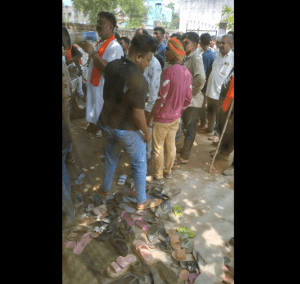
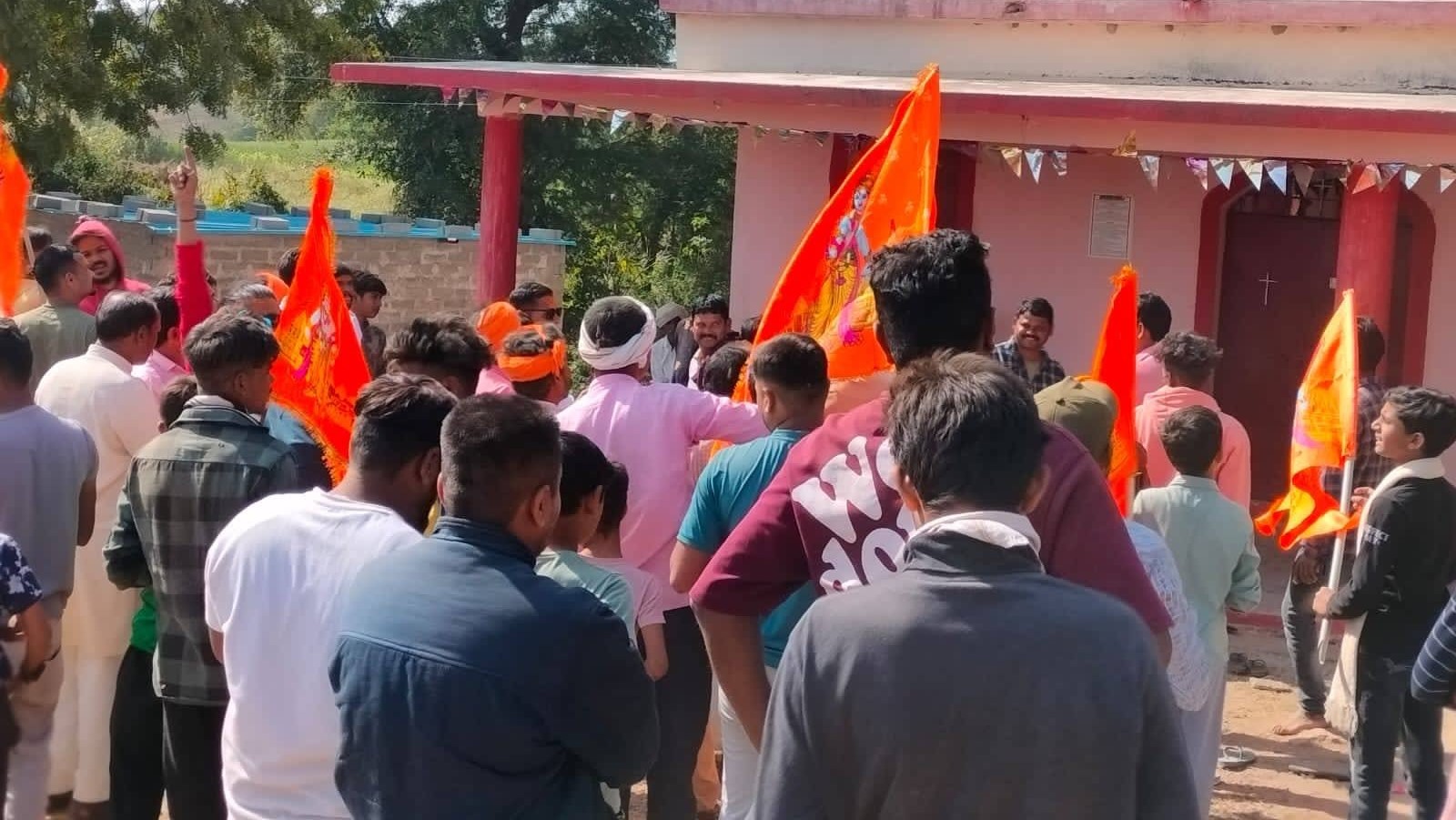
House church meetings in Chhattisgarh state, central India, have recently been banned. In the state capital, Raipur, without providing legal justification or documents, police have been telling house churches that they need to get special permission from the district administration in order to hold prayer services.

These actions are in defiance of Article 25 of the Indian Constitution, according to which “all persons are equally entitled to freedom of conscience and the right freely to profess, practice and propagate religion”.

More than 200 house churches in Chhattisgarh have been affected. Many churches in Raipur have shut down, mostly due to fear of attacks by Hindutva outfits like Bajrang Dal and Vishwa Hindu Parishad.

The house churches are mainly run by pastors belonging to Pentecostal denominations and are small congregations gathering inside homes and not in formal church buildings. As per a Madras High Court ruling in June 2025, a private home in India can generally be used as a prayer hall if formal permission is obtained from local authorities.

In recent years, extremist groups have staged systematic attacks against Christians in Chhattisgarh. In April, 300 people had gathered for a prayer meeting in Bilaspur town when a mob led by a vigilante group protested outside the venue, threw stones, and accused them of carrying out religious conversions. At least 10 Christians were injured. There have been at least eight similar incidents in the past few months. According to local leaders, the police often act on behalf of these groups.

Christians comprise less than 2 percent of Chhattisgarh’s some 30 million people and are denied rights to land and burial grounds. Many cannot live in their respective villages unless they renounce their “foreign faith”. They also face violence and prolonged legal challenges under anti-conversion laws. A climate of fear has resulted in self-censorship among many Christian communities.

Extremist groups often falsely accuse pastors of luring people into churches by offering cash payments, free medical assistance, and foreign trips, funded by foreign donors. However, these allegations are not supported by evidence and are strongly rejected by Christian leaders.

In April, six Christian families were evicted from their homes after refusing to renounce their faith. In June, a mob attacked Christian families and pressured them to convert to Hinduism. In July, six men in Bhilai town were detained and severely beaten with wooden batons at a local jail for identifying themselves as pastors. Also in July, two nuns were arrested along with an Indigenous (Adivasi) youth at Durg Junction railway station and accused of human trafficking and forced conversion, prompting widespread protests.

The Indian Constitution does not have an anti-conversion law, but at least 12 states including Chhattisgarh have implemented their own versions since the Bharatiya Janata Party came to power in 2014.

The Religious Liberty Commission of the Evangelical Fellowship of India has documented 334 incidents targeting Christian communities across India between January and July 2025, of which 86 took place in Chhattisgarh. This is second only to Uttar Pradesh state. According to the ecumenical United Christian Forum, 165 anti-Christian incidents were recorded in Chhattisgarh last year, also the second-highest in the country.


家庭小組禱告

親愛的主,

We pray that you will strengthen and protect your faithful children in India, especially in the state of Chhattisgarh where the house churches are facing intensified pressure and persecution. We pray for justice in these communities and that your Spirit will soften the hearts of local authorities and move them to always act fairly and in accordance with the law.

Pour out your Spirit of righteousness and love in these lands, so that your greatness and goodness may be made known to all.

我們以耶穌的名請求。  阿門。

Nepal: Urgent prayers needed

Nepal is a landlocked Himalayan country, bordered by India and China. Its economy relies heavily on foreign aid and tourism. In 2008, its first Constituent Assembly abolished the 240-year-old monarchy and declared Nepal a federal democratic republic. While rooted in their ancient traditions and religions, the Nepali continue to search for hope and enlightenment. They have one of South Asia’s highest per capita usage of social media.

A recent ban on social media brought young people to the streets, but they also came with pent-up grievances over social inequality. At least 34 people were killed in clashes  and more than 1300 have been injured across Nepal between the police and protesters.

The root cause of the “Gen Z protests” was the public’s frustration with the perceived corruption of government officials and their families, their displays of wealth, as well as allegations of mismanagement of public funds. Demonstrators set fire to the parliament building, and government buildings and houses of political leaders were attacked and vandalized around the country.

For the past 10 years, Nepal has been ruled by the same three elderly leaders prime ministers on a rotating basis. Between them, they have led the country on 12 separate occasions. Prime Minister K. P. Sharma Oli and several other ministers have since resigned. The wife of former Prime Minister Jhala Nath Khanal is in critical condition after getting trapped in their burning home. The military has now taken control. Tribhuvan International Airport in the capital, Kathmandu, has just reopened.

Church leaders are distraught and traumatised by the events. One church leader we spoke to broke down and cried: “I have no words to express the sadness in my heart.” He pleaded with us to stand in the gap and pray for the country during this difficult time. It appears that all church activities and Christian institutions are temporarily closed. There are also reports that several Christian communities and churches were threatened during the political protests and violence.

Most people in Nepal see Christianity as a Western religion that undermines traditional culture and society, and appeals only to lower castes. Converts from Hinduism and Buddhism face increasing pressure from their families and community, and are viewed as deviating from the faith of the ancestors. The state media and government officials see growth in conversions to Christianity as dangerous and think the Christian faith will destroy Nepalese culture.

The church has grown rapidly since 1951, when missionaries were allowed into the country, and congregations have been spreading all over the country. A main reason for growing numbers has been prayer for the sick and the resulting healings. However, the government introduced a strict anti-conversion law in 2018; Christians now navigate a fine line to speak of Christ. As a result, local and foreign Christians have had to limit their evangelistic activities.

家庭小組禱告

Father God:

We lift up our dear brothers and sisters in Nepal as the country goes through this tremendous upheaval. May you grant them peace, strength, and courage, so that their faith would remain strong and not buckle under pressure. May they continue to place their hope in the Lord. May there be unity in and among the Nepali churches as they face this crisis together. May they ground themselves in the living hope of Christ.

May there be a complete end to the violence, and may a just and upright government to be set in place. May the nation’s leaders demonstrate wisdom and humility, and let justice, unity, and hope prevail. May tensions quickly ease and the everyday life of citizens be restored safely and peacefully. May there be comfort and healing for the families who have lost their loved ones.

May your angels surround your people, and protect them from all harm and danger, and from fear and uncertainty. May you grant wisdom and guidance to them as they continue faithfully to serve you and minister to the community. May there be peace and protection over all the people.

In the name of Jesus we pray. Amen.

Iranian Christian Laleh Saati released from Evin Prison

“But thanks be to God, who gives us the victory through our Lord Jesus Christ.”

(1 Corinthians 15:57 ESV)

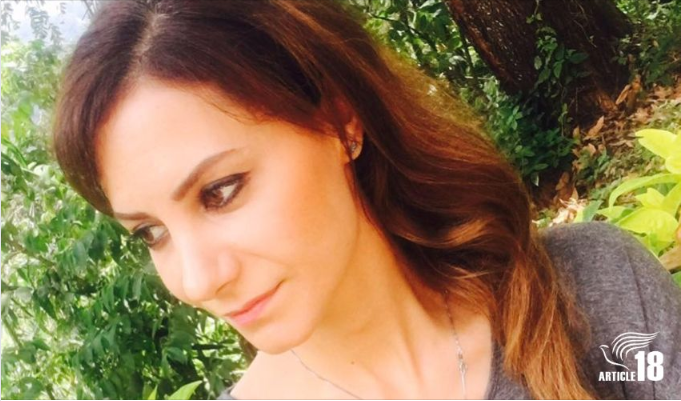
Iranian Christian convert Laleh Saati was released on 31 May on the condition that she cannot travel for two years and that she must not speak to the media or any contacts abroad.

In February 2024, Laleh was arrested at her father’s home in Ekbatan Town, a Tehran suburb, and taken to Ward 209 of Evin Prison. The prison is divided into wards, with this ward under the jurisdiction of the Ministry of Intelligence. Laleh was interrogated there for three weeks.

A month later, Laleh was brought for trial at Branch 26 of Tehran’s Revolutionary Court before Iman Afshari, a judge known for his ruthlessness against those imprisoned because of politics and human rights activism, as well as those who are ethnic or religious minorities. He found Laleh guilty of “acting against national security through connections with ‘Zionist Christian’ organisations”.

Laleh had sought asylum in Malaysia and while there, she renounced Islam and was baptized as a Christian. She eventually decided to return to Iran in 2017 to take care of her elderly parents, frustrated with the delays and lengthy processing time of her asylum case.

It was seven years after returning to Iran that Laleh was arrested and charged. Government prosecutors used photos and videos of her baptism and Christian activities in Malaysia as proof of her alleged crime.

In May 2024, Laleh’s mother visited her in prison and reported that her daughter was struggling with her mental health. As a result, Laleh was interrogated again and threatened with new court proceedings. Her mother was also interrogated and warned that a case might be opened against her because Laleh’s case had been publicised to foreign media.

When Laleh had served one-third of her sentence and became eligible for parole, it was denied, reportedly because she refused to make a forced confession.

In April 2025, Laleh injured two fingers on her left hand after falling in the prison yard, but she was denied access to specialised medical care. As her condition deteriorated, her mother continued to appeal for her to be transferred to a medical facility, but her requests were rejected until May, when she was released after serving 15 months of her sentence. She has been traumatized by her experiences and remains in a “psychologically unstable state”.

The Iranian government views Christian converts as threats and actively works to suppress their activities. House churches are often raided, and believers are frequently arrested, interrogated, and given long prison sentences on charges like “acting against national security”. The Iranian authorities also monitor the activities of asylum seekers in foreign countries and obtain information to use against them. Laleh’s case demonstrates that Christian activities carried out by asylum seekers abroad can be used as evidence against them in legal proceedings upon their return to Iran.

Despite the risks, Iranian Christians are courageously sharing the gospel and many are coming to Christ.

家庭小組禱告

親愛的主,

We pray that you will strengthen, restore and heal Laleh Saati after the trauma of the prison experience she has endured. Keep her strong in her faith and safe from further persecution.

Please also strengthen Laleh’s aging parents, that they too might sense your comforting presence and come to be in relationship with you.

We pray for the safety of secret churches, the courage of believers, the well-being of imprisoned Christians and their families, and the spread of the gospel in Iran. 

At this time of international conflict, we also pray that you will protect all your followers in Iran from any harm.

We ask all this in Jesus’ name. 阿門。

Sri Lanka: Heroes of Faith

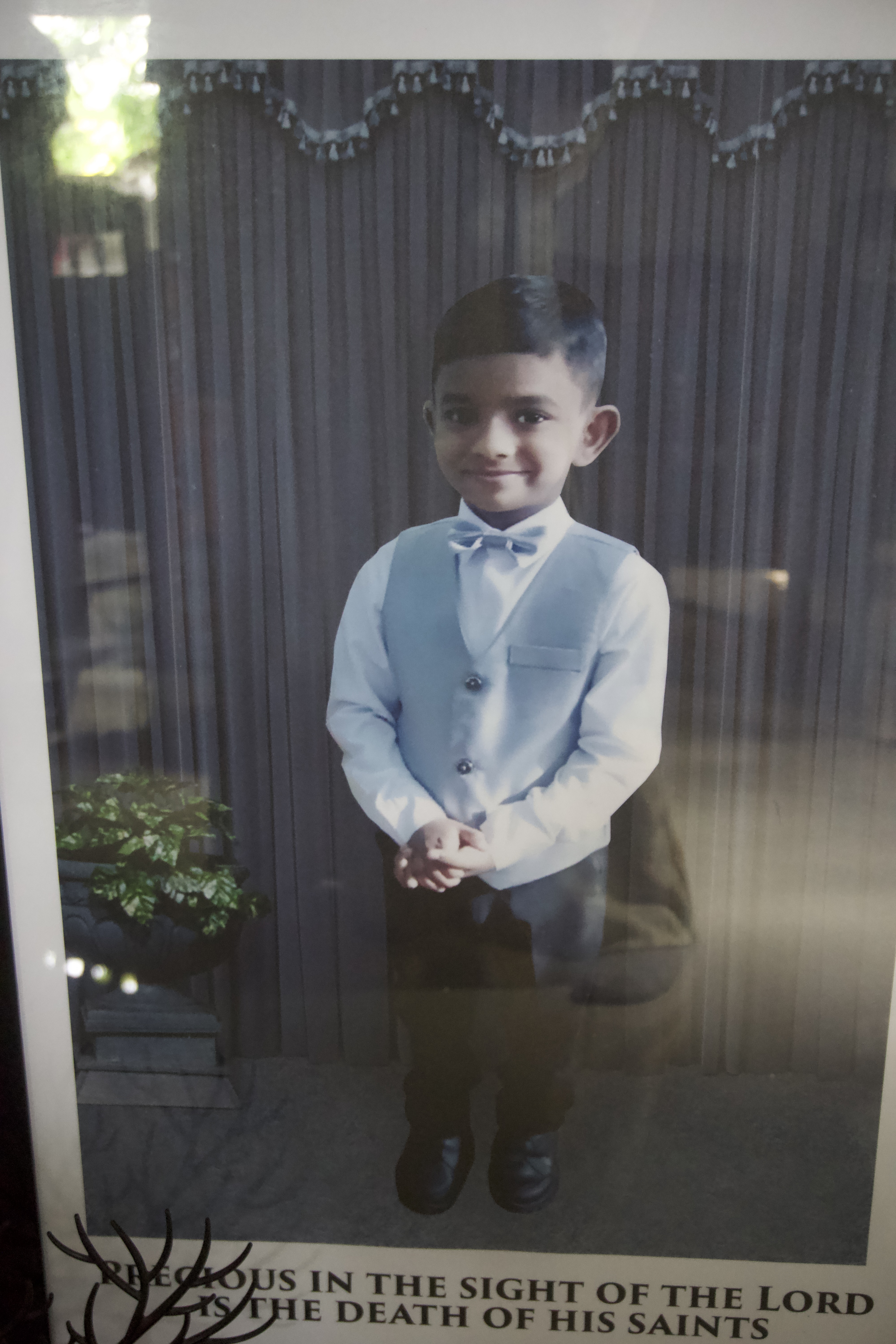
“Precious in the sight of the Lord is the death of his saints.”

(Psalm 116:15 ESV)

For many Sri Lankan Christians, Easter is a day of mourning and remembrance—a day to honour those who were targeted and killed for their faith 21 April 2019. ISIS-related suicide bombers had targeted three churches and three five-star hotels, killing at least 270 and injuring 500. One victim died from her injuries in 2024. Most of the victims were Sri Lankan and at least 45 were foreign nationals.

This year, radio and television channels across the country muted their broadcasts for two minutes as a mark of respect. Armed police and military personnel were on high alert as churches across the country observed the anniversary of the Easter bombings. Just days before Easter, a gunman opened fire at a church near the capital, Colombo. No one was injured, but police said windows of the church were damaged. A suspect was arrested.

There were several memorial programmes for the victims. In Colombo, hundreds of their relatives marched from St. Lucia’s Cathedral to St. Anthony’s Shrine, one of the churches attacked. The Archbishop of Colombo, Cardinal Malcolm Ranjith, said the Roman Catholic Church had formally recognised 167 church members killed in the bombings as “heroes of faith”, a designation given to individuals who died for their religious faith.

Earlier in March, Sri Lanka deported two Indian pastors for allegedly violating visa regulations by engaging in preaching activities. Pastor Edwin Glory Thomas and Pastor Johnson were arrested when officials raided the Christ Evangelical Church in Matakal West, Jaffna district during their seventh anniversary celebrations. The pastors were questioned and subsequently deported. Their arrest followed a complaint lodged by a local group, which claimed that the two had breached their tourist visa conditions by conducting religious work. They should have obtained official clearance with a religious visa. In another incident in March, police raided a church in Nuwara Eliya and ordered two foreign pastors without religious visas, one Indian and one Malaysian, to leave the country with immediate effect.

家庭小組禱告

親愛的主,

We thank you for the beautiful country of Sri Lanka. We remember the people there at the time of remembrance of the sad and terrible event that took place six years ago. We think of those who were killed for your name, and also those who are being arrested and persecuted for speaking your Word. As the country continues to recover from political and social turmoil, we ask that your presence be strongly manifested there, and that your name will continue to be lifted up.

We think of the families that lost loved ones, including little children, in the Easter bombings and other attacks, and lift them up to you. May your comfort be ever present in their lives. We especially lift up the survivors, including Elaisha Debbie, the little girl who lost her eyesight, her parents, and one brother. Please continue to give them strength and hope. Pour your spirit upon the church in Sri Lanka and bring revival there. May all levels of society experience a deep change—from the government to the lowly worker, from the common man to the women and children, let praise ring out. May the church be empowered to continue the good work you have begun in them.

We commit Sri Lanka into your hands in Jesus’ name.

阿門。

Strict anti-conversion laws introduced in Rajasthan, India

“Whoever sows injustice will reap calamity, and the rod of his fury will fail.” (Prov 22:8)

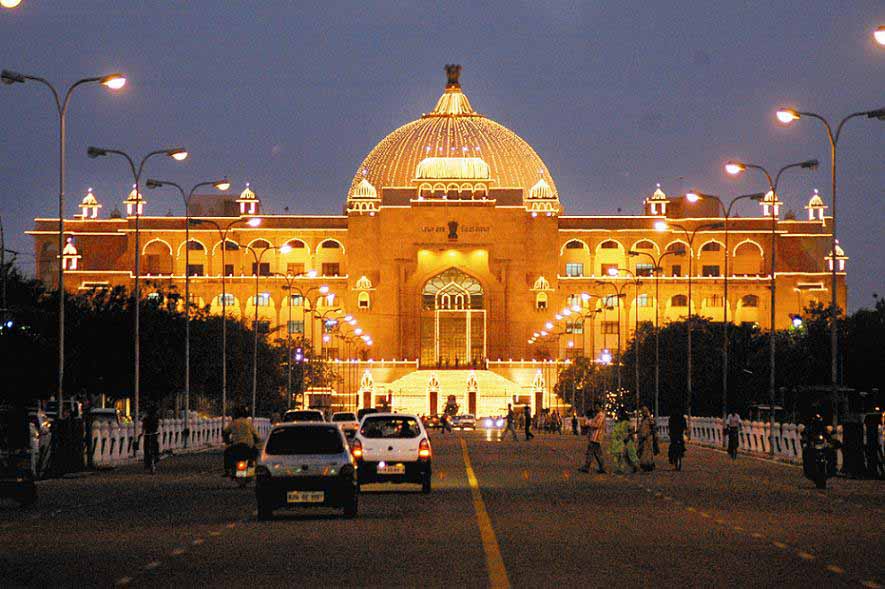
On 3 February, the Prohibition of Unlawful Conversion of Religion Bill was tabled by the Bharatiya Janata Party (BJP) government in the Rajasthan State Assembly to stop religious conversions allegedly made “by fraud, force, or inducement”. The Bill was passed during the Budget session and the law has since been enacted.

Opponents of the Bill argue that it violates the rights to personal liberty and autonomy, to freedom of speech and expression, and to privacy and freedom of faith.

India is a secular nation, and its Constitution protects the right of each Indian citizen to freely practice and spread their faith peacefully. The Indian Constitution also states that changing one’s religion due to personal conviction, marriage, or divorce is acceptable so long as the decision is made voluntarily and without the use of pressure or force.

The Bill will make it far more difficult for an individual to convert to another religion by requiring an extended bureaucratic process to do so and imposing harsh penalties on those seen to be in violation of any of the statutes of the new law.

According to the Bill, those who want to convert to another religion will have to first give two months’ advanced notice to the District Magistrate. Then, a notice of 30 days for any ceremony for the conversion must be made by the “converter” who is performing the ceremony, followed by an affidavit by the converted person to the District Magistrate within 60 days.

Penalties for those found to be involved in unlawful conversion include up to three years in jail with a minimum fine of 10,000 rupees (USD 115) for the converted and five years in jail with a minimum fine of 25,000 rupees (USD 287) for the converter. According to Forbes, the average monthly salary in Rajasthan is 19,740 rupees (USD 227).

Criticism of the law relates to it appearing to reverse the principle of the assumption of innocence by placing the burden of proof — that a religious conversion was not affected through misrepresentation, force, undue influence, coercion, allurement or by any fraudulent means or marriage — on the person who has “caused” the conversion.

The offences covered by this Bill are classified as cognizable and non-bailable, and triable by a court. This means that the accused may be arrested without a warrant and that obtaining bail may be difficult.

Rajasthan now joins 11 other states in India — Odisha, Arunachal Pradesh, Gujarat, Chhattisgarh, Karnataka, Jharkhand, Haryana, Uttarakhand, Himachal Pradesh, Uttar Pradesh, and Madhya Pradesh — in having an anti-conversion law.

These state governments have used the criminal code to stop church services and prayers at the sickbed of a Christian. Misuse of the anti-conversion laws against innocent citizens has led to 1,000 or more people, including women and children, spending time in jails. Many of those who have been arrested are pastors, and others from several groups who are first-generation converts to Christianity, often tribal or marginalised people.

In 2024, more than 400 senior Christian leaders and 30 church groups submitted an urgent appeal to the President and Prime Minister of India to curb the activities of violent mobs that have targeted Christian gatherings across the country. At least 14 incidents targeting Christians were reported during the Christmas season, ranging from threats and disruptions to arrests and outright attacks. The appeal also pointed to the misuse of anti-conversion laws leading to the arrest and harassment of over 110 clergy members.

According to Christian groups such as the Evangelical Fellowship, United Christian Forum, and Persecution Relief 834 incidents against Christians have documented in India last year. The actual number may be several times higher, as police refuse to register complaints and victims are scared to even approach the authorities.


家庭小組禱告

親愛的主,

We pray for justice in India and a reversal of the laws that so negatively impact our Christian brothers and sisters living there. We pray that those in authority will not abuse their power or use these laws to unfairly prosecute those who seek to know you and live their lives in you.

And we pray that you will grant protection for pastors and ministers and all those who are spreading the gospel in India, that they may be able to continue their good work and bring more people to faith, without being treated unjustly.

We ask all this in the name of our Lord and Saviour, Jesus Christ.

阿門。

阿富汗:黑暗中的一絲光芒


「一宿雖然有哭泣,早晨卻必歡呼。」

(詩篇 30:5 新英王欽定本)


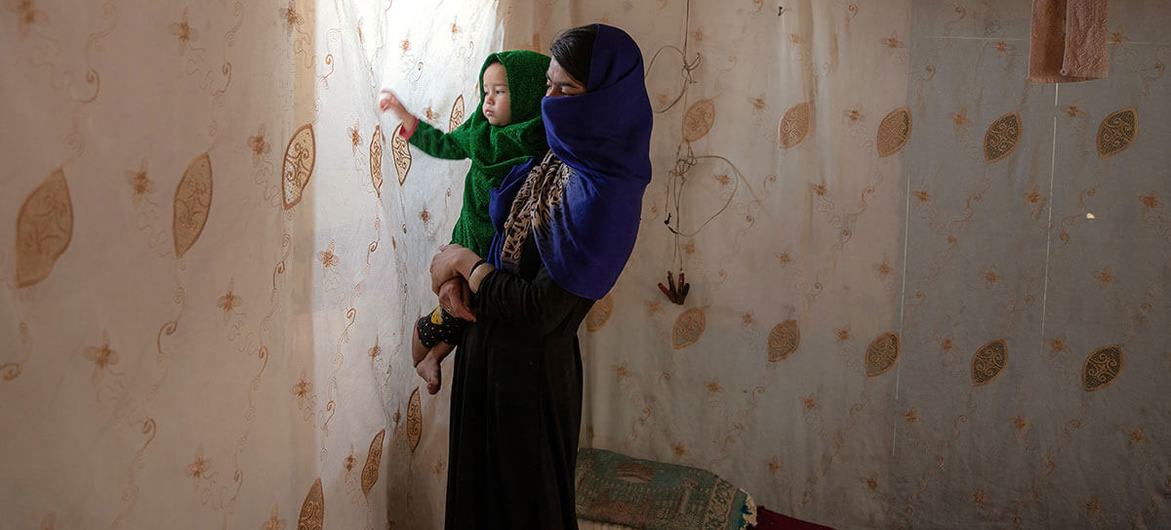
塔利班佔領該國三年後,該國經濟陷入崩潰,國際援助基本上枯竭,民眾的不滿情緒日益高漲。塔利班持續迫害基督徒,並特別針對婦女和女孩。 8 月,他們頒布了一項嚴格的公​​共道德法,全面禁止婦女在公共場合講話、唱歌或大聲祈禱。這項法律其實就是試圖讓女性噤聲,並將她們從人們的視野中抹去。

女性還被要求在公共場合遮住身體和臉部的每個部位,並由一名男性陪同。數十名婦女在喀布爾街頭被捕並被帶到未知地點。在阿富汗,成為基督徒婦女幾乎肯定會被判死刑。阿富汗是目前世界上唯一禁止女孩上中學和大學的國家。

塔利班在 2021 年奪取政權後開始嚴格執行伊斯蘭教法。據報道,改信伊斯蘭教的基督徒遭到逮捕、折磨,甚至被處死。基督徒離開了這個國家,而其他人則躲藏起來。人們擔心該國不再有信徒。

塔利班於2021年奪取政權後開始嚴格執行伊朗教法。沒有人有信徒。

同時,塔利班一直致力於從該國消滅基督教,並使用先進的監視技術監視通訊。儘管有風險,新的基督教社區仍在尋找在惡劣環境中禮拜、分享福音和互相支持的方式。

穆斯林占阿富汗人口的99%,絕大多數信奉遜尼派伊斯蘭教。沒有公共的基督教教堂。據《敞開的門》報道,阿富汗被列為 the world’s 10th worst persecutor of Christians.

在降臨節和聖誕節之際,阿富汗的基督徒提醒我們,即使在最壓迫的環境下,基督的光芒也不會熄滅。他們的旅途充滿危險,但他們的信念堅定。我們在基督裡找到了希望——不僅是對阿富汗教會的未來,而且對我們所有相信福音的力量能夠改變生命的人的希望,即使在最黑暗的時刻。

讓我們與阿富汗的兄弟姊妹站在一起並為他們祈禱。


家庭小組禱告

親愛的上帝,我們的父親,

我們支持阿富汗的兄弟姊妹。我們特別要鼓勵那些生活在那裡、對自己和家人的安全感到恐懼和焦慮的姊妹。在所有的考驗和壓迫之中,我們感謝你在那裡提供的令人驚嘆的存在證據。

我們為阿富汗政府祈禱,並祈求您的光芒也能照耀那裡。請讓他們專注於自己人民的困境並對他們充滿同情。我們希望他們也能了解來自您的恩典和自由。

感謝您以如此令人驚嘆的方式展現您的存在。請繼續在夢境和幻像中拜訪人們,並以其他神奇的方式展現自己。我們祈禱精神、政治、社會等障礙的消除,因為對你來說沒有什麼是不可能的。感謝您熱愛阿富汗人民並希望他們生活在您給予的希望和自由中。

我們以耶穌的名祈求這些。

阿門。

斯里蘭卡新總統誓言調查 2019 年復活節爆炸事件

「但願正義如河流般流淌,正義如永不枯竭的溪流!”

(阿摩司書 5:24 NIV)


2019 年復活節期間,斯里蘭卡的三座教堂和三家豪華酒店在一系列協同襲擊中遭到炸彈襲擊,造成 279 人死亡。儘管進行了調查和民事訴訟,但這些攻擊的肇事者仍然未被確認。

科倫坡大主教馬爾科姆·蘭吉斯 (Malcolm Ranjith) 會見了新總統阿努拉·庫馬拉·迪薩納亞克 (Anura Kumara Dissanayake),並敦促他重啟對此事的調查。 10月6日,迪薩納亞克總統親自前往尼甘布市的聖塞巴斯蒂安天主教堂,該教堂有116人在此喪生。總統向會眾承諾,他的政府將進行公正、透明的調查。

隨後,10月8日,政府宣布展開新的調查,理由是先前的調查未能找出該國有史以來最嚴重的針對平民的襲擊事件的兇手。

斯里蘭卡基督教社區的許多人仍然深深地感受到這些襲擊的悲劇。在拜蒂克洛市的錫安教堂,復活節禮拜即將開始前發生一枚炸彈爆炸。至少 26 人死亡,100 多人受傷。教會牧師加內沙穆爾蒂·蒂魯庫馬蘭 (Ganeshamoorthy Thirukumaran) 14 歲的兒子是爆炸中喪生的 14 名兒童和青少年之一。

襲擊的倖存者和他們的家人仍然生活在這些事件帶來的創傷中並堅持要求正義。天主教會一直帶頭呼籲獨立調查和國際社會的參與。科倫坡總教區通訊委員會主席西里爾·加米尼·費爾南多神父表示,希望新政府根據此次新調查的結果採取行動。

總共有 500 多人在爆炸中受傷,其中包括 45 名外國人。最初,官員將自殺式爆炸事件歸咎於與 ISIS 有關的當地聖戰組織。然而,許多人認為,襲擊的發生也可能有政治​​動機。

斯里蘭卡前情報局長蘇雷什·薩萊 (Suresh Sallay) 被指控參與此事。去年,最高法院在一樁民事案件中判處時任總統邁特里帕拉·西里塞納及四名高級政府官員 3.1 億斯里蘭卡盧比(約 106 萬美元)罰款,罪名是他們未能阻止襲擊。

與此同時,斯里蘭卡的基督徒繼續遭受佛教和印度教團體的迫害。據報道,一起事件是佛教團體向庫魯內格勒地區的一座教堂投擲石塊,造成教堂財產損壞。當地村民也封鎖了通往教會的道路,阻止教友和牧師通行。 2023 年,斯里蘭卡全國基督教福音派聯盟 (NCEASL) 記錄了 43 起針對牧師及其會眾的恐嚇和暴力案件,聲稱佛教團體阻礙了禮拜儀式並對歧視行為和對教堂的襲擊負責。


家庭小組禱告

親愛的主,

我們為生活在斯里蘭卡的基督兄弟姊妹祈禱。我們祈禱您祝福和保護他們。給予他們面對迫害的力量、信念和希望,並允許他們在自己的社區中自由安全地生活和崇拜。

我們也為 2019 年襲擊事件的受害者及其家屬祈禱。我們要求斯里蘭卡新政府對這些事件進行徹底調查,以便將責任人繩之以法。

我們以耶穌的名請求。

阿門。

孟加拉政治動亂期間基督徒遭攻擊

「如果你們因基督的名而受到侮辱,那麼你們就是有福的,因為上帝榮耀的精神將居住在你們身上。”  

(彼得前書 14 章)


在孟加拉國,在最近針對信徒的暴力事件升級中,兩名基督徒遭到警方毆打並拘留。該事件發生在 9 月 5 日,當時人們正在探訪當地一座家庭教會,該教會遭到暴徒入侵。他們的攻擊集中在一名基督徒身上,後者被質疑是否曾是穆斯林。當他無法給出明確的答案時,暴徒頭目打電話給這名基督徒的妻子尋求答案。

警方介入,但將兩名基督徒拘留了一夜,並未對他們的傷勢進行治療。其中一人現已保釋,但留下了精神創傷,另一人的情況仍不確定。基督教領袖正在積極尋求支持受害者的​​方式,並呼籲大家在這艱難時期祈禱。

諾貝爾獎得主穆罕默德·尤努斯是接替總理謝赫·哈西娜的臨時政府的首席顧問,他保證沒有人會因宗教或政治信仰而受到歧視。然而,自 8 月 6 日數百萬人爆發反政府運動後,總理哈西娜戲劇性地辭職並離開該國以來,針對教會和少數民族社區的襲擊激增。極端分子將目標對準了皈依基督教的基督徒和其他少數群體,導致了大規模暴力事件,包括襲擊教堂和信徒的家園。

報道稱,迪納傑布爾和拉傑沙希的桑塔爾基督教徒的部落住宅遭到襲擊,納拉揚甘傑的一座教堂遭到破壞。孟加拉印度教、佛教和基督教團結委員會表示,數百個家庭受到影響,有些家庭甚至收到死亡威脅。在庫爾納,天主教救濟和發展機構明愛的辦公室遭到攻擊,首都達卡的一座天主教教區建築遭到洗劫並焚燒,同時焚燒的還有眾多印度教住宅和寺廟。

儘管情況現已好轉,但由於全國各地時有發生暴力事件,基督徒仍然生活在恐懼之中。許多人都在祈禱得到保護和治癒。正如一位領導人所說:“我的人民正在悲痛。”

孟加拉在 2024 年敞開的門全球觀察名單中排名第 26 位,顯示皈依者遭受的迫害程度很高。

** 祈禱請求 **

– 為了信徒和其他宗教少數群體的安全,並結束持續的迫害

– 為受動亂影響的人尋求安慰和保護,尋求上帝的供給和希望

– 為暴力受害者的康復和恢復,以及為援助他們的當地合作夥伴提供力量和智慧

– 為那些敵視基督徒的人與耶穌相遇,帶來改變

天主教主教會見莫迪總理,表達對印度基督徒待遇的擔憂

“如果你手中有罪孽,就把它遠離,不要讓不公正居住在你的帳篷裡。”

(約伯記 11:14 和合本)

7 月 12 日,印度天主教主教會議 (CBCI) 的四人代表團在新德里會見了新當選的總理莫迪。在大主教安德魯斯·塔扎斯的帶領下,他們對印度基督徒所受的待遇表示擔憂。

在長達 45 分鐘的會議中,該組織請求莫迪總理採取乾預措施,制止對基督徒的敵視和騷擾。他們向他提交了一份備忘錄,概述了強迫皈依的虛假指控以及濫用反皈依法來針對基督徒的行為。

由於莫迪總理是印度民族主義政黨印度人民黨的領導人,該代表團表示擔心,在該國部分地區,強硬派印度教團體濫用反皈依法對基督徒提出虛假投訴。

2023年,北方邦當地警方逮捕了一名基督徒男子凱拉什(Kailash),並指控他勸服數人皈依基督教。今年7 月初,高等法院法官拒絕了凱拉什的保釋,並裁定這種改變宗教信仰的行為違反了《印度憲法》第25 條,該條款保護良心自由和宗教信仰、實踐和傳播自由,但不包括宗教改變信仰。

如果許多牧師和會眾被發現向非信徒傳教並改變信仰,這樣的裁決可能會使他們面臨極大的風險。

CBCI 的備忘錄也重申了天主教會的要求,即向基督教達利特人提供與達利特人相同的特殊福利。 這些福利包括財政援助以及納入政府工作和教育機構的配額。然而,基督教和穆斯林達利特人長期以來一直被排除在這些福利之外,理由是基督教和伊斯蘭教不遵循種姓制度。

透過拒絕給予基督教達利特人與其他達利特人相同的福利,政府實際上是在阻礙達利特人選擇成為基督徒。

一些印度教團體甚至呼籲部落基督徒停止接受其他特殊政府福利。備忘錄討論了這一問題,並敦促莫迪總理不要屈服於這些要求。人們也注意到,許多政府少數民族委員會中都沒有基督教代表,並對基督教非政府組織在更新註冊時面臨的挑戰表示擔憂。

最後,印度主教團敦促總理加快安排教宗方濟各訪問印度的進程。莫迪總理六月在梵蒂岡會見了教皇並邀請他訪問印度。印度天主教主教團認為教宗的訪問可能有助於改善印度基督徒的處境。


家庭小組禱告

親愛的主,

我們為生活在印度的基督徒祈禱,願他們受到保護並免受不公正的待遇。我們祈禱您能賦予印度所有政府官員和當局智慧,以便他們始終尋求公正、公平地制定法律,不會歧視您的人民。我們感謝天主教主教們獲準覲見總理,我們祈禱他們的言論和呼籲能夠被聽到並付諸行動。為所有致力於捍衛印度基督徒權利的人們提供力量、智慧、指導和保護。

我們以耶穌的名進行這個祈禱。

阿門。